Article content
Capturing the true scale of a landscape is difficult. You stand before a massive mountain or ocean and feel overwhelmed. Yet, the final photo often fails to convey that size. The mountain looks like a small hill because the viewer lacks context. The most effective way to restore that sense of awe is to include a person in the frame. Adding a human element turns a simple scenic shot into a story. Here is why you should try it.
1. Instant scale
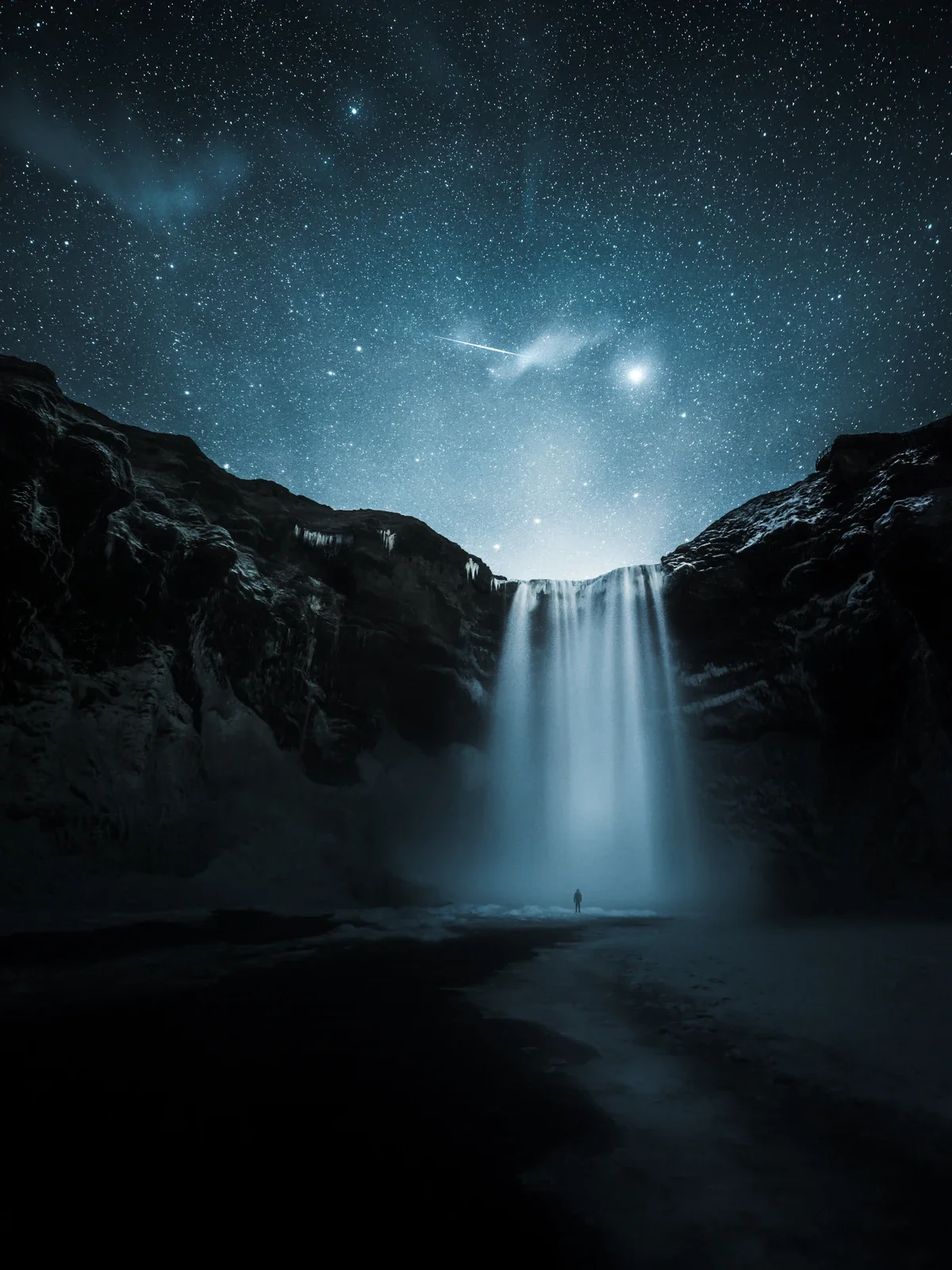
The human brain recognizes the size of a person immediately. Placing a small figure against a waterfall or cliff edge gives the viewer a clear reference point. The brain calculates the math instantly. A rock formation transforms into a massive monument when compared to a human silhouette. This restores the feeling of grandeur to the image.
2. The viewer becomes the hero
An empty landscape places the viewer in the role of an observer. They look at the scene from the outside. Including a lone figure changes this dynamic. The viewer projects themselves into that figure and imagines standing on that ledge or feeling the wind. The image becomes an experience rather than just a view.
3. Keep it anonymous
The landscape remains the primary subject. The person serves only as an anchor. I prefer using silhouettes or photographing figures from a distance to hide identity. If the viewer sees a specific face or clothing brand, the photo becomes a portrait. An anonymous figure becomes a symbol that allows anyone to connect with the image. The figure should be small enough to remain anonymous yet large enough to be recognized.
4. Composition and separation
Placing a human in a landscape requires precise composition. The figure needs separation from the background to remain visible. A silhouette stands out best against a bright sky, fog, or calm water. Cluttered backgrounds hide the shape and ruin the effect.
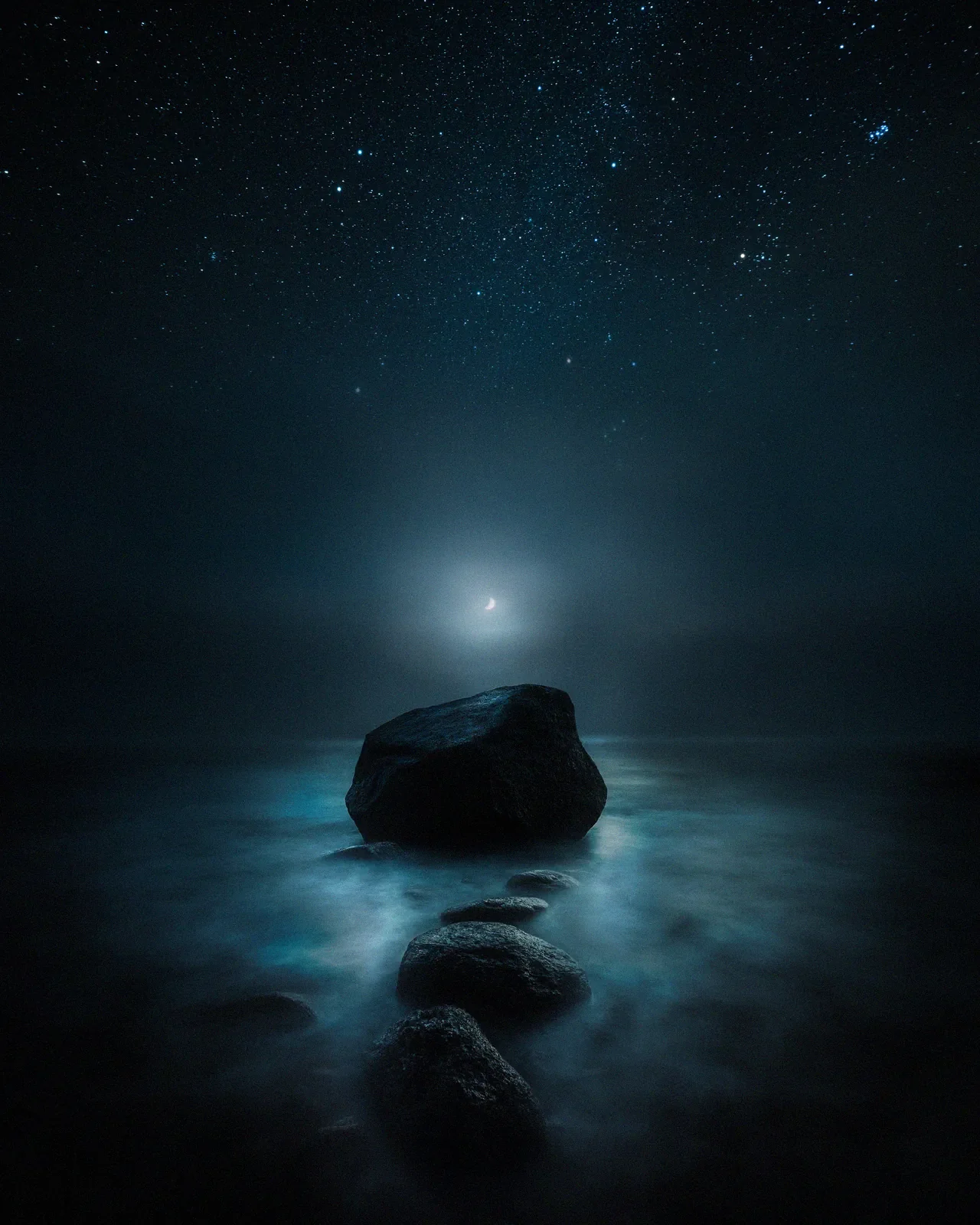
This connects directly to Minimalist Landscape Photography. A simple scene makes the human element more powerful.
Final thoughts
Adding a person translates the feeling of being small in a vast world into a static image. It creates a relationship between man and nature. Next time, try placing yourself or a friend in the frame to see how the story changes.
FAQ on the human element
Where should I place the person in the frame? Avoid placing the person right at the edge of the frame. It leads the eye out of the photo. The Rule of Thirds intersections work well, but placing the figure in the center often creates a stronger, more epic composition.
How do I take a photo of myself? Use a tripod and your camera's intervalometer. Set the camera to take a photo every 5 seconds indefinitely. Walk into the frame and try different poses. This allows you to work without running back and forth to reset a 10-second timer.
Recommended
Atmosphere Guide
Learn how composition, light, and tone shape emotional clarity.