Visual Impact & Decision-Making

When Imagery Holds Attention Long Enough to Matter

Why showstopping images must do more than capture attention

In competitive environments, attention is often treated as the ultimate goal. The logic is simple: capture it, hold it briefly, and move on. In professional contexts, this approach falls short because attention alone does not create decisions.

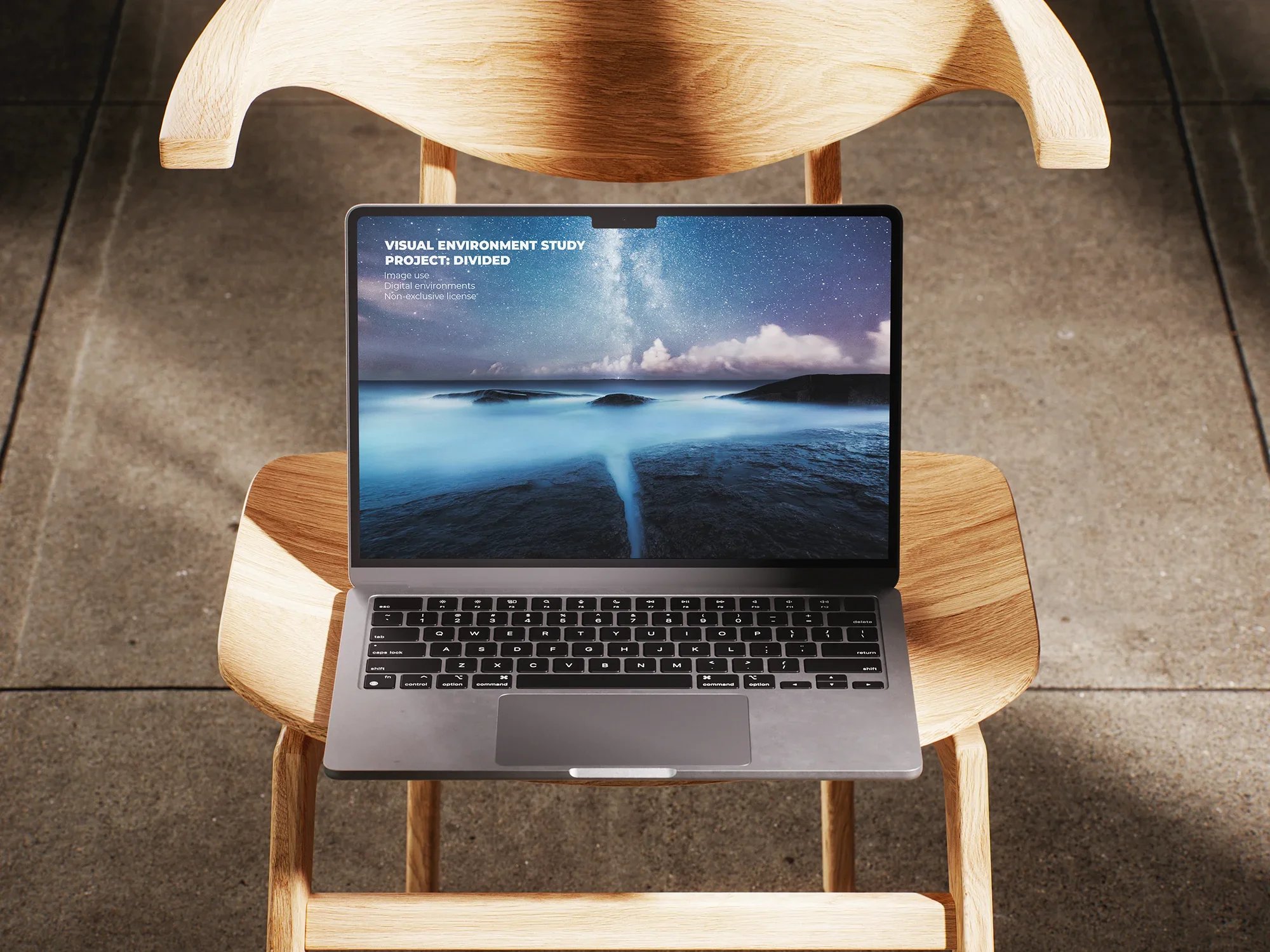
A high-end laptop displaying atmospheric imagery, representing the first moment of visual impact

Attention is easy to win and easy to lose

Strong imagery attracts the eye instantly. High contrast, dramatic light, and emotional intensity work to stop the scroll and pause the glance. These qualities are effective, but they are also fragile. When an image relies only on immediate impact, attention collapses quickly.

The viewer registers the image and moves on without anything settling. In environments where decisions matter, this is not enough. A powerful image that cannot sustain attention becomes visual noise, regardless of how striking it is.

Real impact is not about the first second. It is about the ability of the image to remain relevant as the viewer begins to consider the context.

A smartphone displaying calm imagery, illustrating visual impact that leads to focus

Working on a project where visual communication must earn trust? See our approach on the Projects page.

"Conversion begins after the image has stopped demanding attention."

Showstopping does not mean overstimulating

A showstopping image can be quiet. Its strength often lies in clarity rather than force. In these cases, impact comes from precision. This kind of imagery works across contexts, from brand websites to digital campaigns, where value is cumulative.

Conversion happens when the viewer feels safe enough to stay. When the image no longer asks for attention but allows it to settle, the viewer can move forward on their own terms. This shift in trust is what separates a momentary click from a considered decision.

Precision

Impact that comes from deliberate composition rather than visual excess.

Depth

Images that reward longer viewing and integrate into the professional environment.

A laptop showing quiet, restrained landscape photography that invites deeper engagement

Imagery as a stabilizing force

In professional decision-making, stability matters more than excitement. The viewer is looking for confidence. Imagery that holds attention without escalating tension communicates control. This is especially relevant for premium brands where reputation outweighs short-term metrics.

The strongest images do not chase conversion. They create conditions where it becomes natural. They respect attention as a finite resource and treat visual communication as a relationship.

Restrained visual presentation on a laptop, emphasizing control and stability

Where this matters in practice

Imagery that holds attention without pressure is most effective in environments where decisions unfold over time. Brand websites, licensing platforms, digital campaigns, and editorial contexts all benefit from visuals that allow the viewer to pause rather than react.

In these settings, imagery is not expected to convert immediately. Its role is to establish stability, signal intent, and support trust. This is where visual restraint becomes measurable value rather than aesthetic preference.

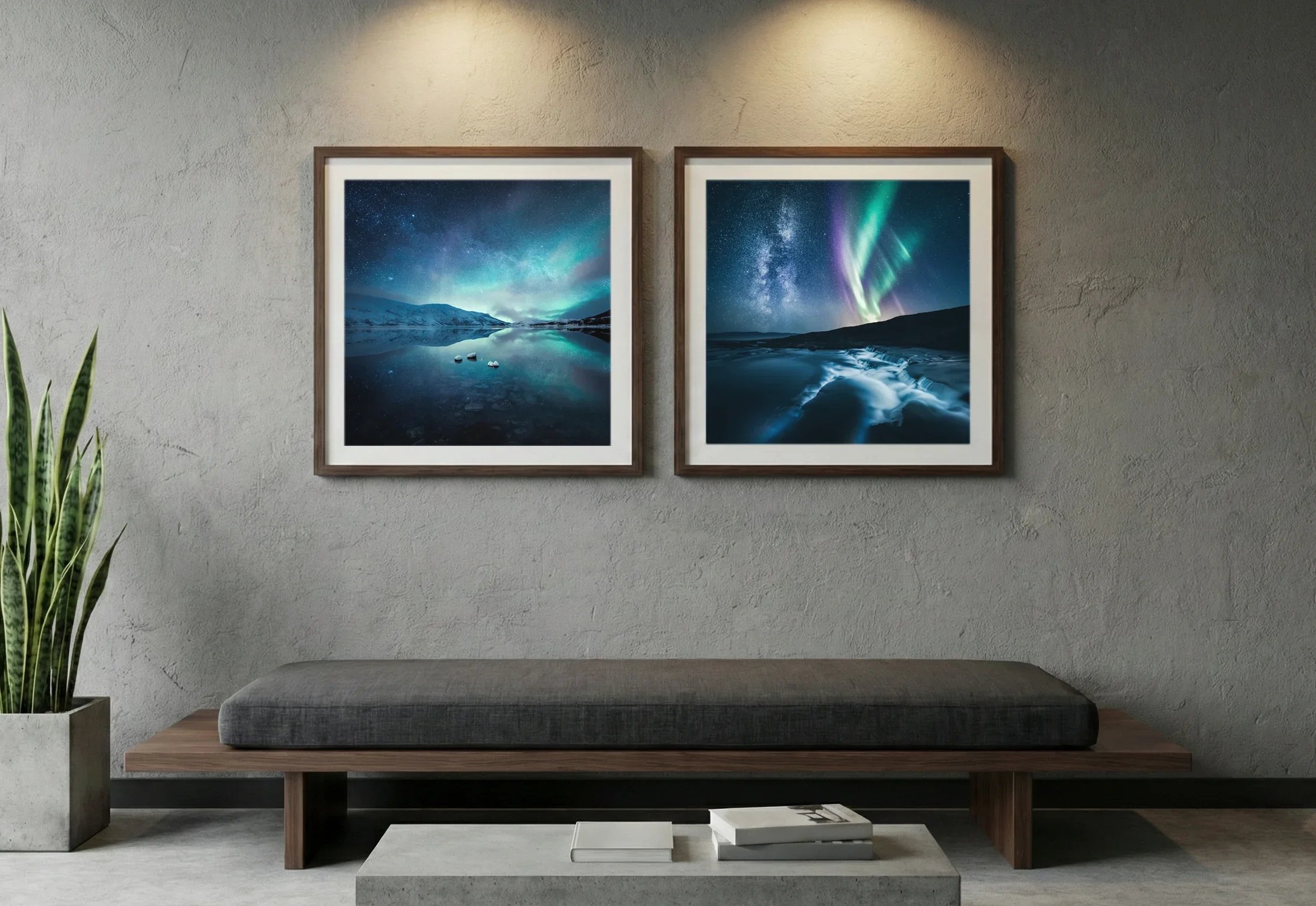
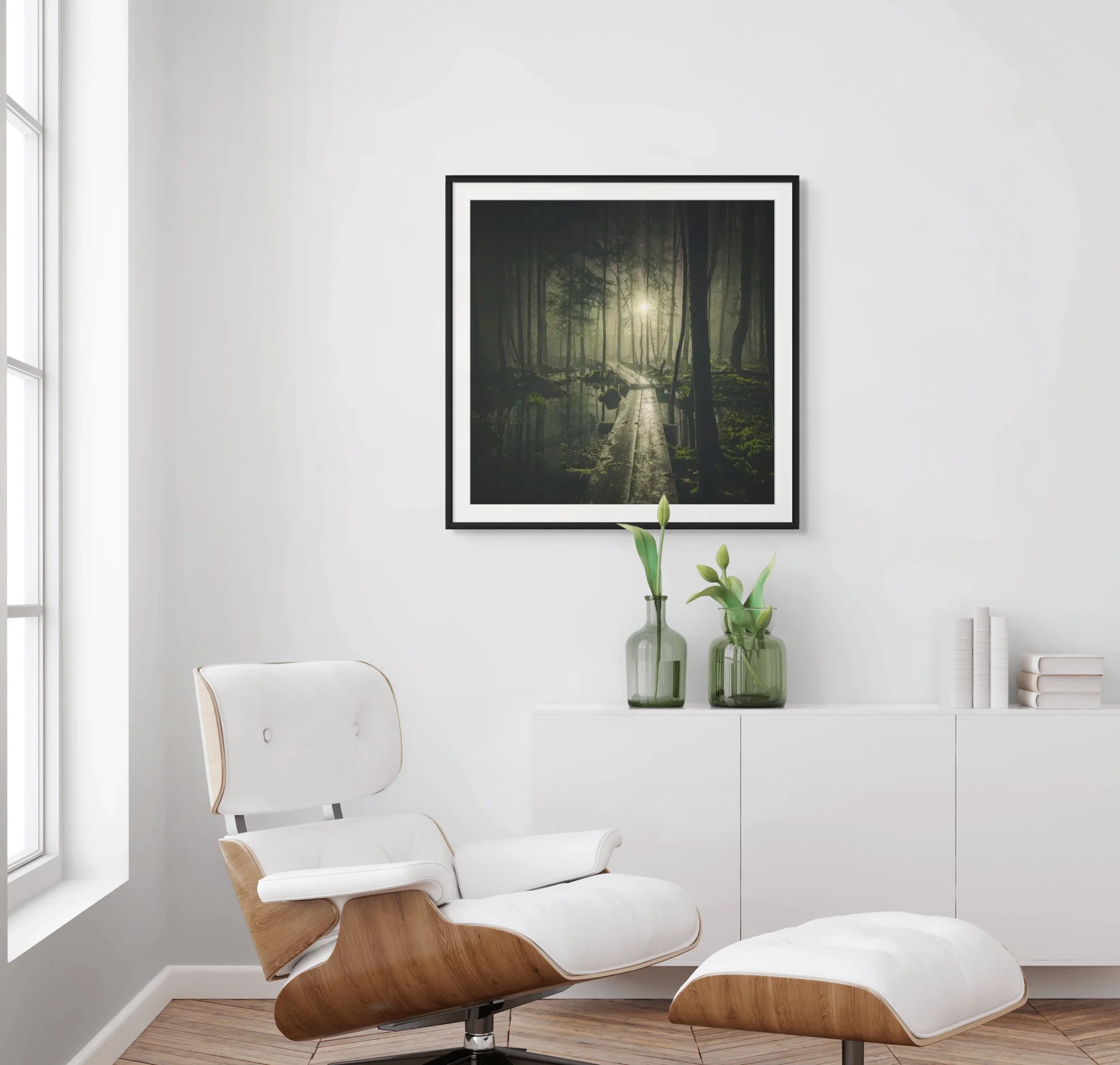
A professional working environment displaying large format atmospheric photography in practice