Design and Wellbeing

The Influence of Calm Imagery on Focus and Wellbeing in Professional Spaces.

How visual environments shape mental recovery and sustained focus.

Most environments are built with efficiency as the primary goal. It is far less common to consider how a space supports focus or mental recovery. Yet, the visual choices we make define how it feels to exist within a hotel, an office, or a public building.

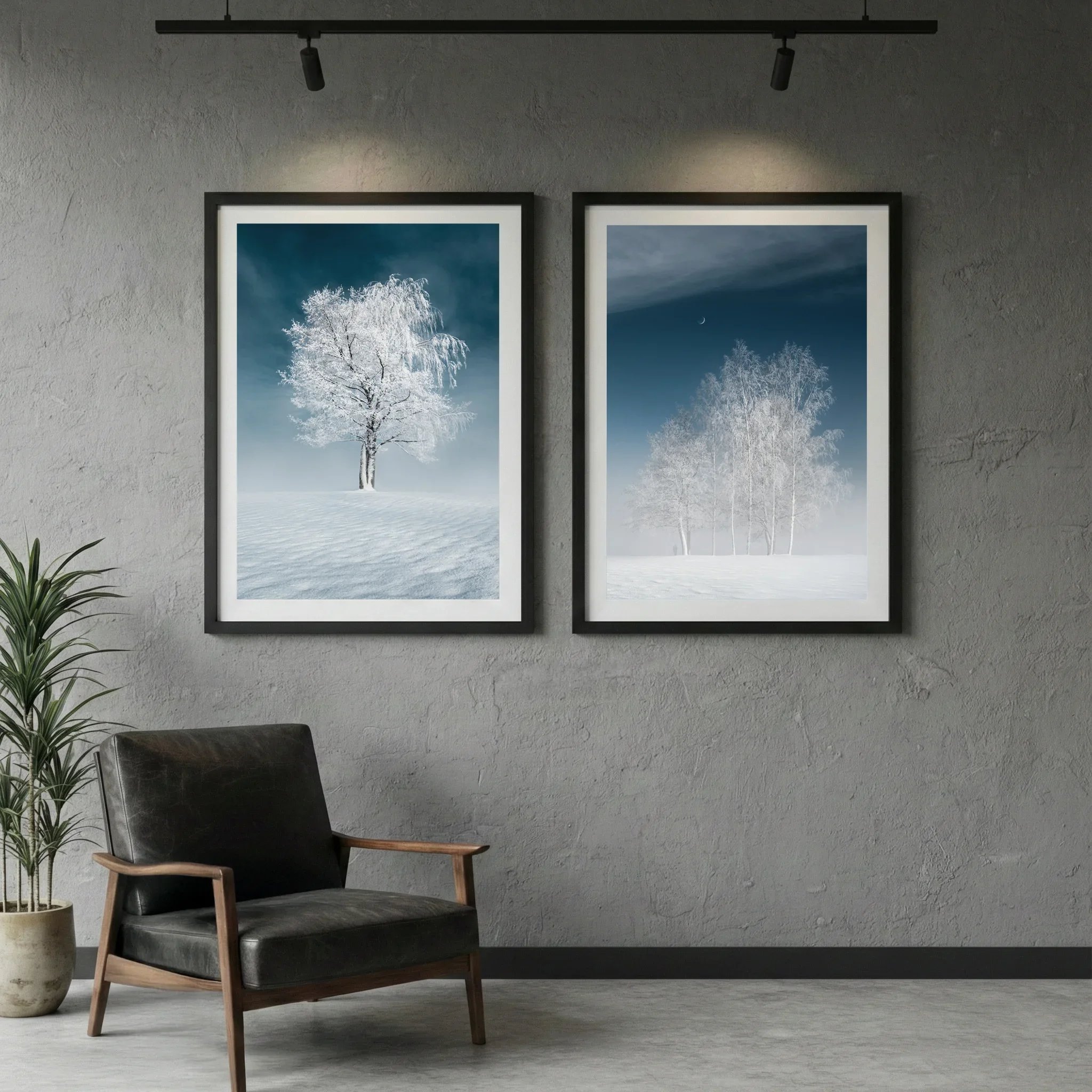
Calm fine art photography integrated into a real professional interior environment

Visual load shapes our daily experience

Our daily environments are saturated with constant visual signals. Screens, signs, and movement demand our attention almost without interruption. Even when we don't consciously notice these signals, this continuous input weighs on the nervous system.

In professional settings, this often manifests as faster fatigue at the workstation or a vague sense of restlessness in places meant for rest. I see visual choices as functional tools rather than surface-level decoration.

Biophilic design has long utilized nature’s ability to reduce stress through light and greenery. However, the images on the walls are the part of the environment we live with for the longest period. In these spaces, imagery is not used to guide behavior, but to reduce cognitive friction by offering a resting point for the mind.

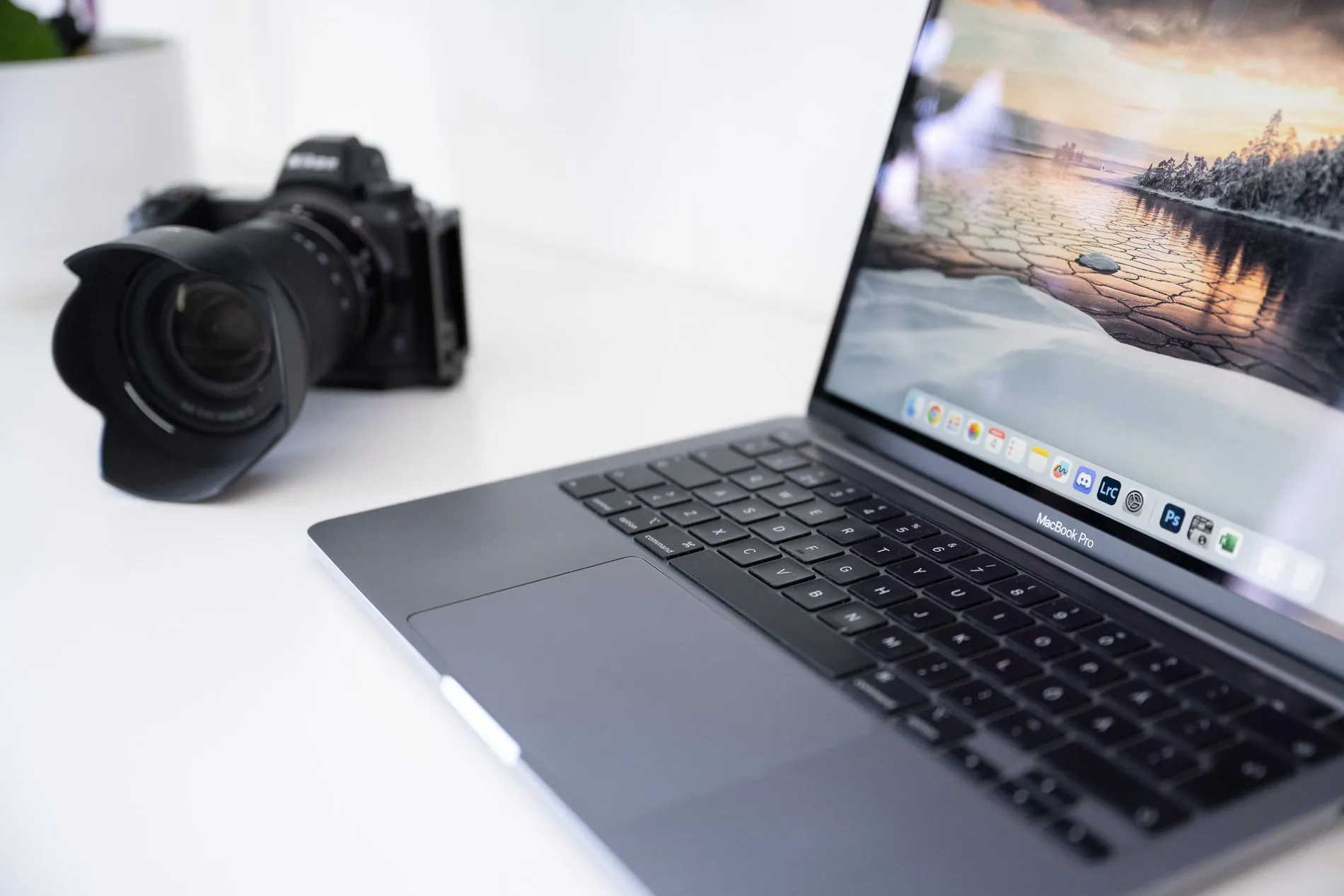
Atmospheric photography integrated into a minimalist workspace

Working on a professional project? Explore our collaborative approach on the Projects page.

"In a world full of visual noise, restraint has become a signal of confidence."

Defining visual silence

To me, visual silence happens when we remove unnecessary demands from a space. It gives the eyes and the mind a chance to settle without an external factor trying to direct our attention. This perspective often becomes relevant when designing environments intended for long-term use rather than short-term impact.

When a space is intended for deep focus, the role of an image is to support the atmosphere rather than dominate it. This requires a certain level of restraint: using soft tones, quiet transitions, and compositions that feel natural without needing an explanation. These types of works remain relevant over time because they do not shout for attention; they simply belong to the whole.

Restraint

Images that respect their environment by refusing to compete for focus.

Longevity

Considered visual choices that endure beyond changing trends.

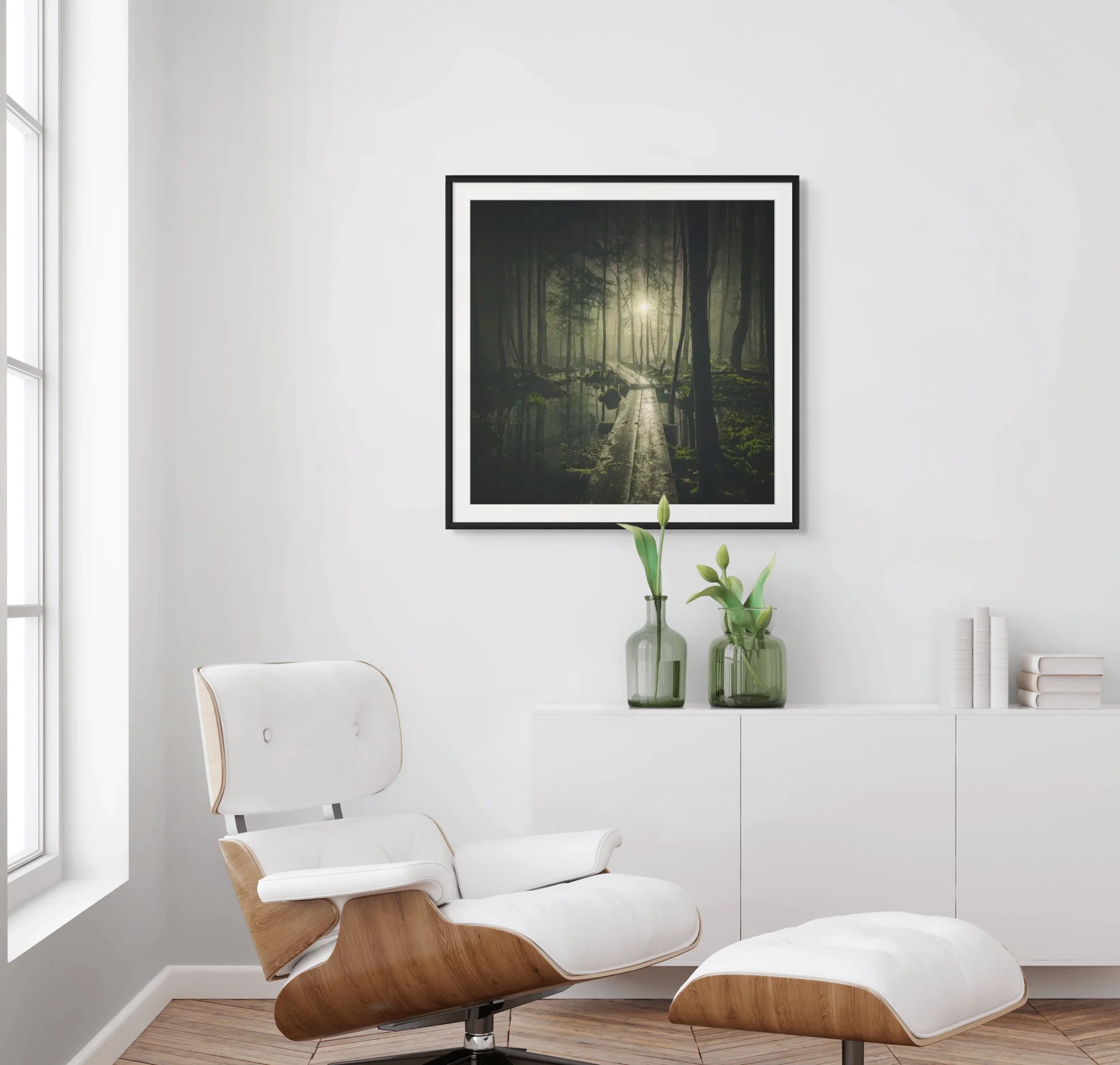
Minimalist Nordic landscape print in a calm interior setting

The Nordic approach to visual balance

In the Nordic visual tradition, clarity and restraint go hand in hand. When visual elements are balanced, a space becomes easier to read. It leaves room for thought, for conversation, and for genuine presence.

This approach is particularly suited to places where people spend long periods of time. When images are chosen with the actual environment in mind, they become an inseparable part of the spatial experience. The goal is no longer to impress; it is simply to belong.

A curated collection of atmospheric prints on a gallery wall