Visual Strategy in Professional Spaces

Visual Consistency Builds Trust

Why cohesive imagery strengthens brands, spaces, and long-term decisions

At a certain scale, visual decisions stop being cosmetic. They begin to influence trust, credibility, and the long-term experience of a space. In architecture and brand environments, visual consistency is one of the clearest signals of confidence.

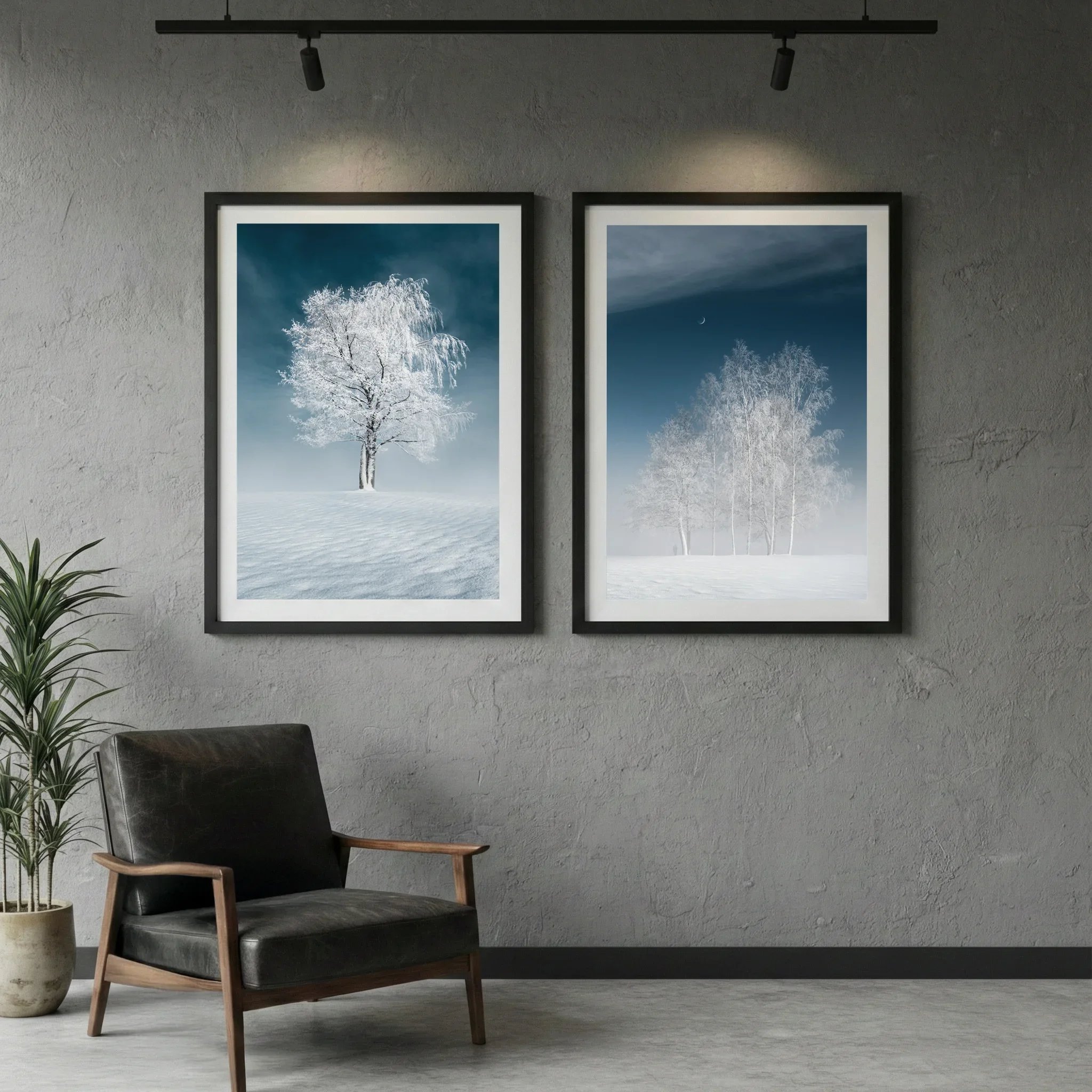
A cohesive collection of atmospheric prints demonstrating visual consistency in a professional environment

Trust is built through repetition over time

People do not experience professional spaces once. They return to them daily. Lobbies, meeting rooms, and shared environments become part of a routine. When visual elements shift constantly or compete for attention, the space feels unstable.

Consistency removes friction. When imagery supports the same tone, palette, and pace across a space, the environment feels intentional. This intention is registered subconsciously. It signals that decisions have been made carefully and with longevity in mind.

In premium environments, trust is rarely created through bold gestures. It is built through coherence across every touchpoint.

Cohesive visual language in a luxury hallway setting

Planning an installation across multiple spaces? See how visual consistency is applied in our recent projects.

"Cohesion is the bridge between a collection of objects and a unified spatial experience."

Visual consistency reduces decision fatigue

Modern environments already demand attention through screens and information. Visual inconsistency adds another layer of noise. When every wall speaks a different language, the space becomes harder to inhabit. Consistent imagery simplifies perception and allows the mind to rest.

This is especially relevant in hotels, offices, and private residences where people are expected to focus or stay present. A consistent visual language does not distract. It supports the purpose of the space by providing a stable background for human presence.

Clarity

Reducing cognitive load through predictable visual patterns.

Reliability

Signals that the brand or space is built on a stable foundation.

A consistent visual vocabulary in a high-end corporate setting

Consistency signals long-term thinking

Short-term visual decisions often chase immediate impact. Long-term decisions consider how something will feel after years of exposure. Brands that invest in visual consistency communicate stability. They show that they are building an identity that holds.

In architecture and interior design, materials are chosen for durability. Imagery should be treated with the same seriousness. When photography aligns with the spatial concept, it becomes part of the structure.

The photograph’s role here is to settle into the environment. It supports the architectural integrity without demanding constant redefinition. This alignment separates considered environments from purely styled ones.

Visual consistency through atmospheric photography that ages well