Article content
Landscape photography often suffers from clutter. We try to cram the mountain, the river, the trees, and the sunset into a single frame. The result is a chaotic image where the eye has nowhere to rest. My photography changed completely when I started taking elements away. Minimalism creates focus. By removing the noise, you force the viewer to look at what truly matters. Here is how to master the art of silence in your photography.
1. Embrace negative space
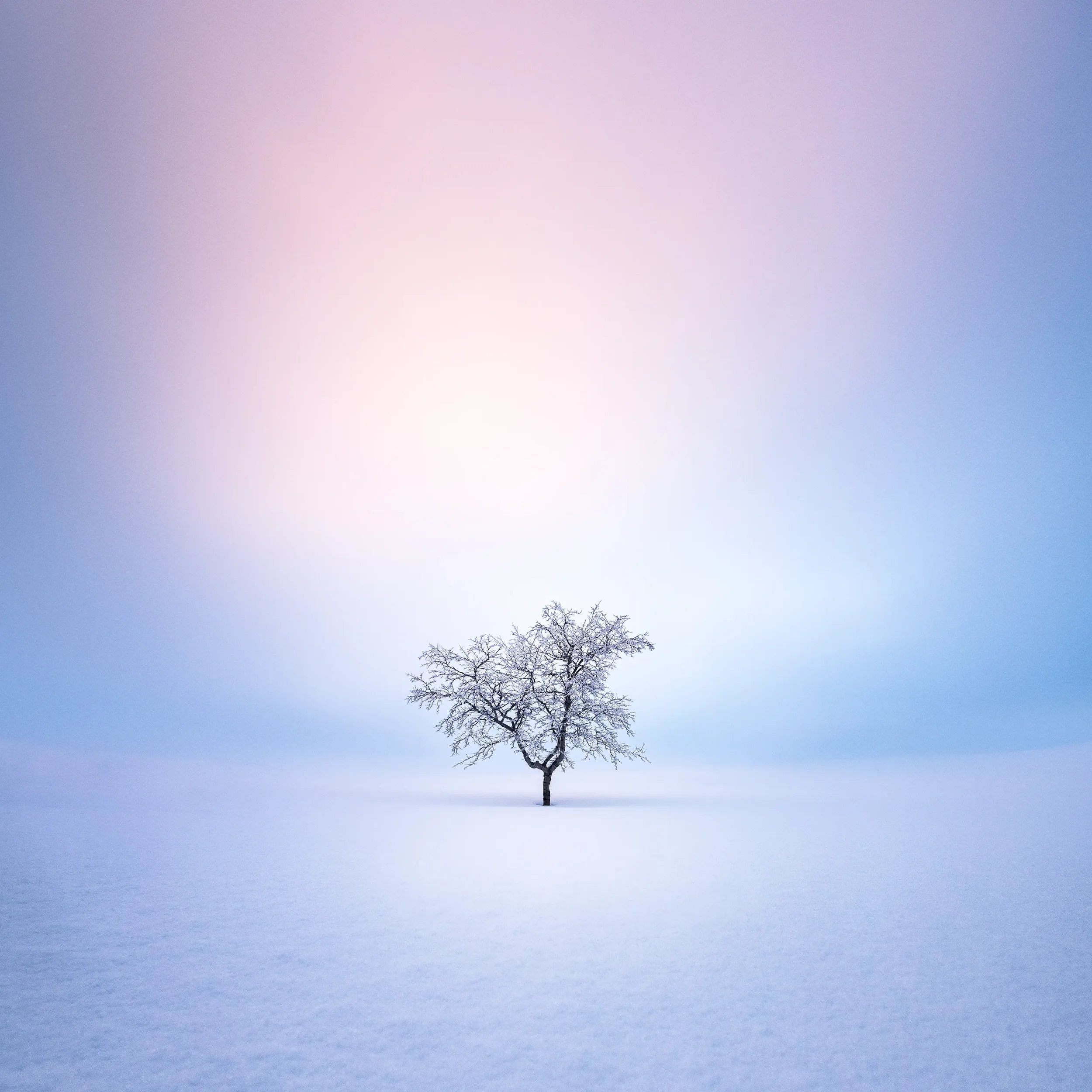
Negative space defines the subject. It includes the vast sky, a foggy field, or dark water. Many photographers fear this emptiness and feel the need to fill it. However, this open space provides context and scale. A lone tree against a massive white sky has personality. It feels resilient.
In large prints, this space gives the image scale and allows it to breathe on the wall.
2. Use long exposure to simplify
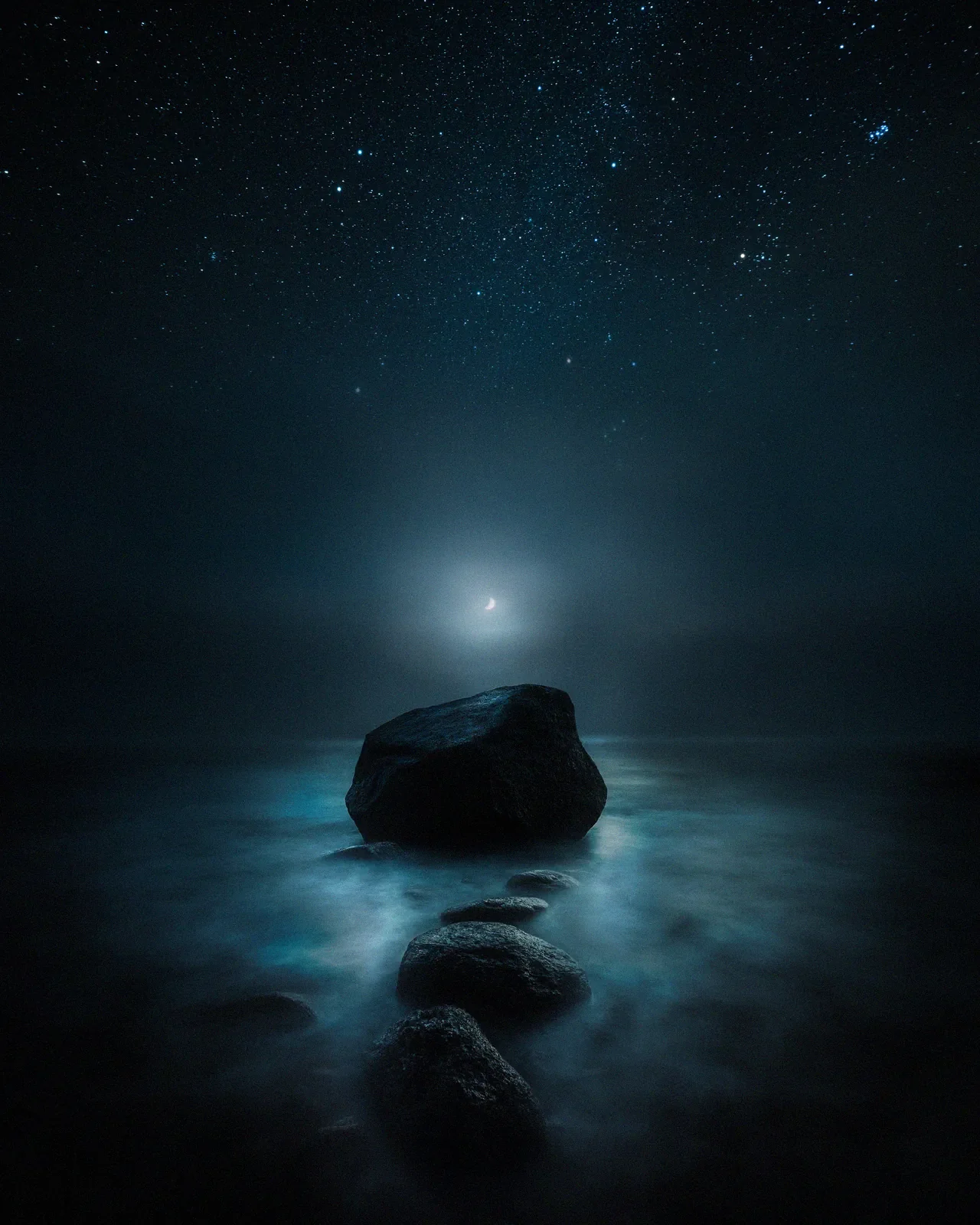
Nature is naturally chaotic. Waves chop, trees sway, and people move. Long exposure removes this clutter. Keeping the shutter open for 30 seconds or longer smooths the water and turns clouds into soft streaks. This simplifies the scene. It removes temporary distractions like ripples and leaves behind only permanent structures.
The goal is reduction. If the long exposure adds complexity, the image has failed. Long exposure is one way to simplify nature. Another powerful way is to use the weather itself. Fog is nature's ultimate simplifier. Read more in Mastering the Mood - How to Photograph Fog and Mist.
3. The one subject rule
Look through your viewfinder and identify the primary subject. If you list the sunset, rocks, and waves, simplify the composition.
Reduce the scene to one element. A single cabin, a silhouette, or a boat.
"If the viewer has to search for the subject, the image is already lost."
Isolating the subject creates a stronger emotional connection. The point of the image becomes immediately clear.
4. Color as a composition tool
With fewer details in the frame, color becomes a structural element. Inconsistent tones make minimalist images look unfinished. I restrict my palette to two dominant tones. Usually Blue and White, Black and Orange, or Grey and Teal. Limited colors create harmony and signal intentionality.
I often restrict my palette to blue and white tones. The best time to capture this naturally is not during the day, but after sunset. Read why in Why I Stopped Chasing the Golden Hour.
Final thoughts
Minimalism requires confidence.
It takes courage to leave most of the frame empty and present a simple subject without flashy editing. When shooting, focus on what you can remove rather than what you can add.
FAQ on minimalist photography
What lens is best for minimalism? Telephoto lenses make minimalism easier. A 70-200mm lens allows you to isolate details and crop out clutter. Wide-angle lenses often capture too much of the surroundings. My personal favorite lens to use is a 24-70mm lens, because you can get close enough and wide enough when needed.
Do I need filters for long exposures? Yes. To achieve long exposures during the day, use an ND Filter (Neutral Density). A 6-stop or 10-stop ND filter blocks light, allowing you to use slow shutter speeds even in bright conditions.
Recommended
Atmosphere Guide
Learn how composition, light, and tone shape emotional clarity.