Article content
Photographers are obsessed with the Golden Hour. We learn early on that the best light happens right after sunrise and just before sunset. We plan entire trips around these short windows of orange light. Crowds line up tripod-to-tripod to capture the same explosion of color. I spent years doing exactly that. I chased the drama and the saturation. Over time, I noticed a pattern. The images I connected with most were never taken during the peak sunset. They were taken after the sun had gone down.
Here is why I shifted my focus to the Blue Hour.
1. Sunset photos can be chaotic
A spectacular sunset is beautiful to witness, but it can be difficult to photograph well. The light during Golden Hour creates high contrast. You often fight against a blindingly bright sky and a dark foreground. Balancing this requires aggressive use of filters or heavy post-processing.
The colors also demand attention. Screaming oranges and reds dominate the frame. This works for travel photography, but for fine art, it often feels too loud. I prefer a quieter approach.
2. Matching light to emotion
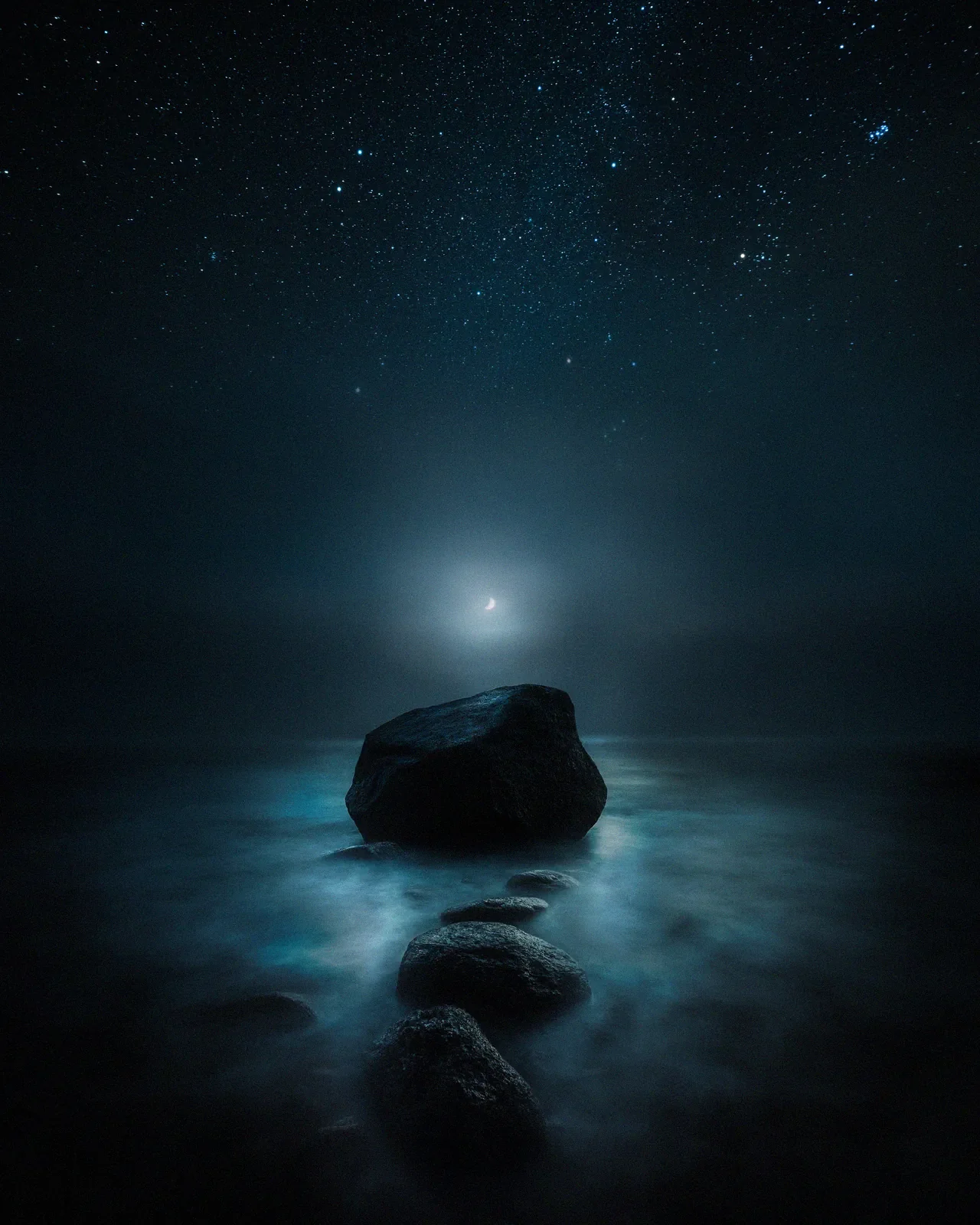
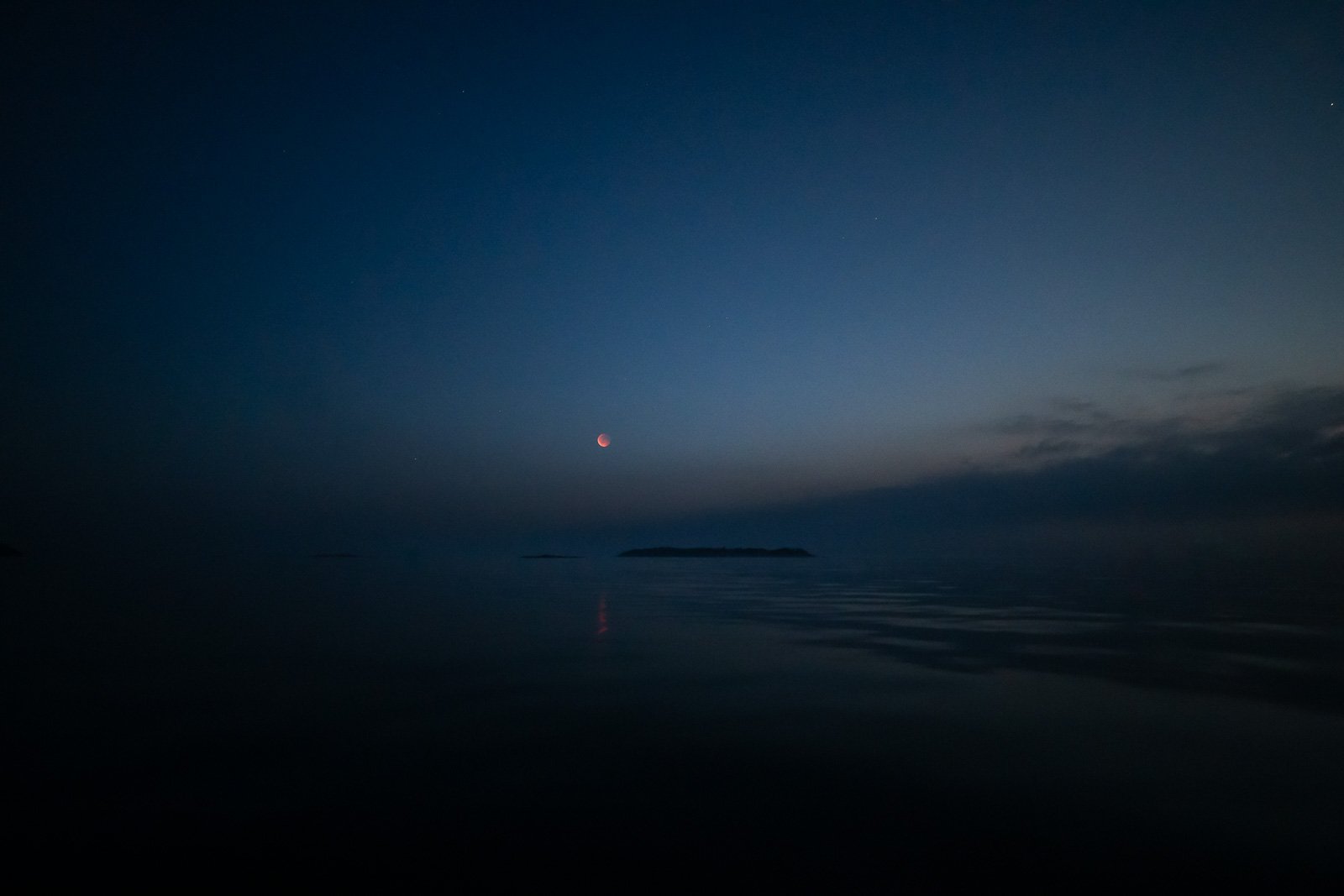
My photography focuses on solitude and silence. A fiery sunset brings energy and movement. Occasionally it can work but it signals the rush of the day ending. That mood rarely fits the story I want to tell. The time after sunset brings a natural stillness. The wind often dies down. The birds stop singing. The landscape feels vast and empty. The cool, blue light matches this feeling perfectly.
If you want your images to feel cinematic, the light needs to match the mood.
3. The light is better
Once the sun drops below the horizon, the entire sky becomes a giant light source. This soft light wraps around the landscape evenly. There are no harsh shadows to hide details. You can capture texture in the rocks and trees without struggling with dynamic range. This even light is also what allows an image to hold together when printed large, without harsh transitions or blown highlights. The color palette simplifies. Instead of a mix of every color, you work with shades of blue, teal, and violet. This monochromatic look helps create a stronger, more unified composition.
The soft, even light of the Blue Hour naturally reduces contrast and clutter, making it the perfect companion for Minimalist Landscape Photography.
4. How to shoot the blue hour
The Blue Hour is short. Depending on where you are, you might only have 20 minutes of good light.
Keep these things in mind:
Wait longer or arrive earlier. When the sun sets, stay put. When the stars fade, stay there. The best deep blue tones appear during nautical twilight when the sun is well below the horizon.
Use a Tripod if needed. The light levels drop fast. You will likely be shooting exposures between 1 and 30 seconds. Keep your ISO low (100-400) to maximize image quality.
Find Contrast. Artificial light looks magical against a deep blue background. A street lamp, a car headlight, or a lit cabin window creates a perfect color contrast.
Shooting in this light gives you a naturally cool, blue raw file. To bring out the best in these tones without ruining the mood, check out my guide on Cinematic Color Grading.
Final thoughts
I still enjoy a beautiful sunset. But I challenge you to stay longer next time. Watch how the mood changes when the colors fade. Watch how the landscape becomes colder and more mysterious. That is usually when the best photo happens.
FAQ on blue hour photography
When does the Blue Hour happen? It happens twice a day: roughly 20-40 minutes before sunrise and 20-40 minutes after sunset. Apps like PhotoPills can tell you the exact time for your location.
What white balance should I use? Avoid Auto white balance, as the camera will try to remove the blue cast. Set your White Balance manually to Daylight (5500K) or Kelvin 4500K to preserve the blue tones.
Recommended
Atmosphere Guide
Learn how composition, light, and tone shape emotional clarity.