Narrative-driven selection
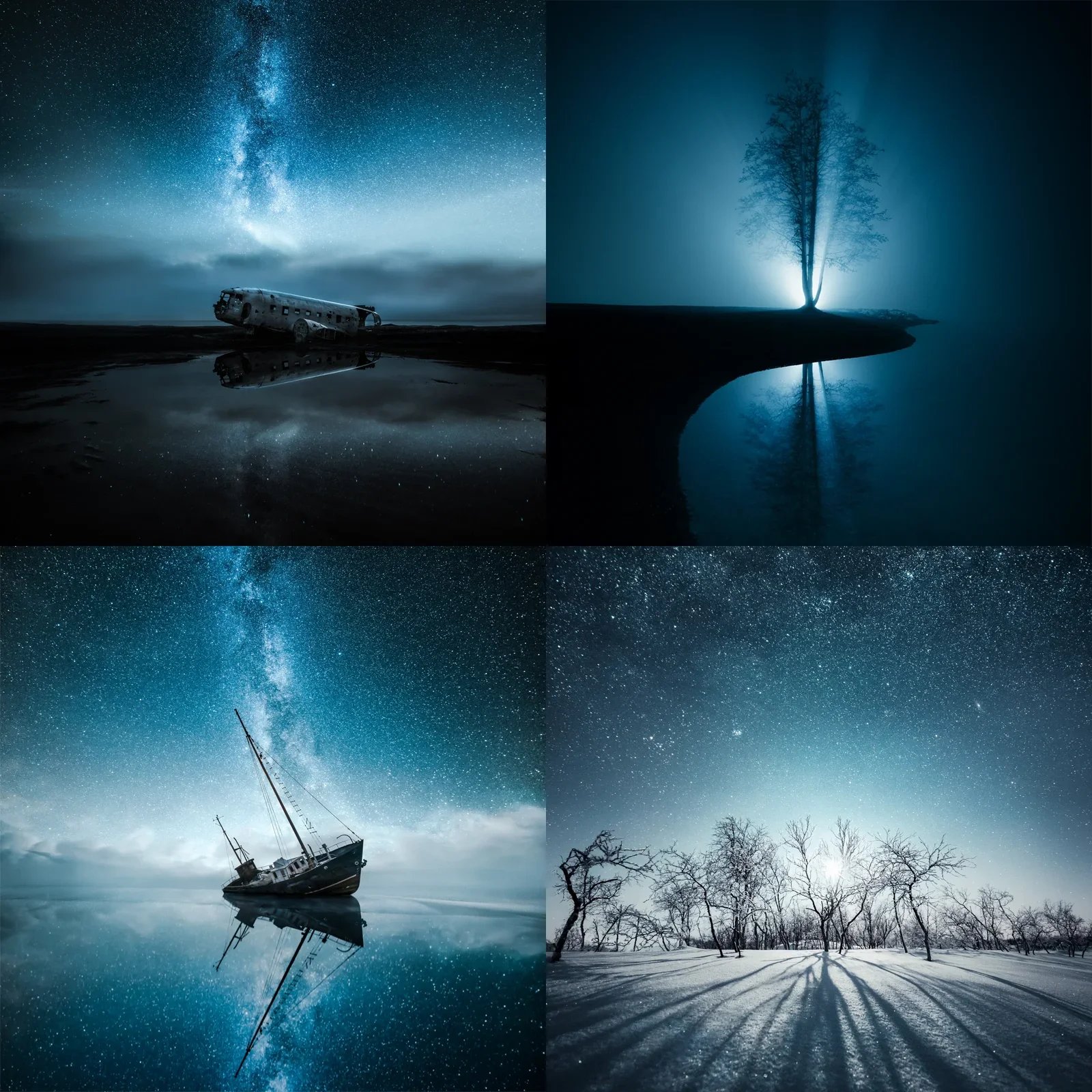
Begin by selecting a lead image that establishes the atmospheric tone, then integrate supporting frames for detail and transition.
Prioritize narrative role over purely aesthetic appeal.
Editorial Practice
Selecting photographs that harmonize with narrative flow.
Editorial imagery must carry narrative weight while respecting the hierarchy of the page. The most effective selections support the story's pacing, provide essential context, and maintain emotional continuity.
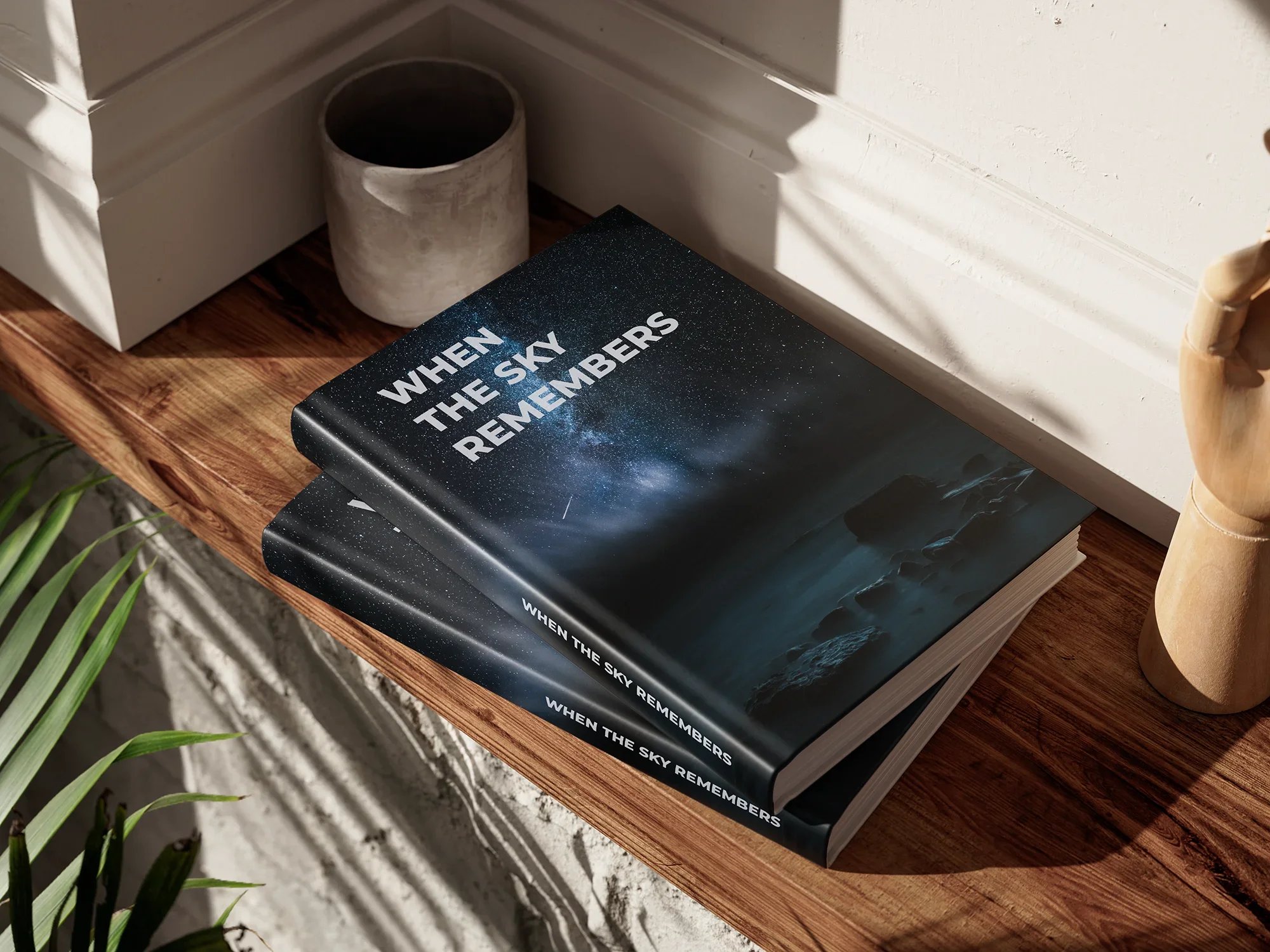
Begin by selecting a lead image that establishes the atmospheric tone, then integrate supporting frames for detail and transition.
Prioritize narrative role over purely aesthetic appeal.
For image licensing and editorial usage rights: Licensing details
Dense editorial copy requires visual 'breathing room' to remain legible.
Overly dramatic imagery can disrupt reading continuity; instead, utilize controlled tonal ranges to harmonize with long-form typography.

Establish clear parameters for cropping, contrast, and typographic tone to ensure a cohesive visual identity.
A systematic approach streamlines production and guarantees predictable, high-caliber results.
A singular strong image is rarely sufficient.
The entire sequence must feel deliberate-from the opening frame to the final closing note.

Go further with the process, get direct feedback, or explore the work as signed editions.
Presets, courses, and workflow tools for photographers who want a clearer system for planning, editing, and finishing images.
Explore Learn MentoringBring your own work into a focused review session and get direct, practical direction on what to refine next.
View Mentoring PrintsSigned limited editions for collectors who want to live with the same visual world beyond the screen.
View Prints